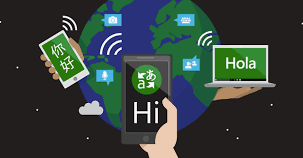
Language technologies are tools that allow computers to understand, process, and generate human language. In 2026, they are everywhere — from AI assistants to real-time translation and automated customer support.
Why it matters in 2026
Language technologies power tools like ChatGPT, voice assistants, and AI copilots. They help businesses automate communication, reduce costs, and improve user experience.
1. Natural Language Processing (NLP)
NLP enables computers to understand text.
Example: ChatGPT, Grammarly
Use case: Automating customer support, generating content, analyzing feedback
2. Automatic Speech Recognition (ASR)
ASR converts spoken language into text.
Example: Voice assistants, meeting transcription tools
Use case: Dictation, call centers, accessibility
3. Text-to-Speech (TTS)
TTS converts text into natural-sounding speech.
Example: AI voice generators
Use case: Audiobooks, accessibility, virtual assistants
4. Machine Translation (MT)
MT translates text between languages.
Example: DeepL, Google Translate
Use case: Localization, international business, customer support
5. Language Models
Language models generate and predict text.
Example: ChatGPT, Claude
Use case: Writing, coding assistance, research, automation
Practical use cases
- Businesses: automate support, content, and translations
- Freelancers: write faster, research better
- Individuals: learn, communicate, and save time
 People's Code